
Air Quality Basics

Biological pollutants in indoor environments can include bacteria, viruses, mold, pollen, dust mites and animal allergens. Their sources and behavior differ: bacteria and viruses are distinct groups, while bacteriophages are viruses that infect bacteria. Indoor air quality management considers the sources of contamination, moisture conditions, ventilation, filtration and the needs of the space.

Particulate matter is a mixture of solid particles and liquid droplets suspended in air. PM10 refers to inhalable particles generally 10 micrometers or smaller, while PM2.5 refers to fine particles generally 2.5 micrometers or smaller. Sources include construction dust, industrial processes, combustion and transport; some particles also form through chemical reactions in the atmosphere. Particle size and composition influence how air treatment equipment is selected and evaluated.

Volatile organic compounds are a broad group of chemicals that can enter indoor air from paints, building materials, furniture, cleaning products and combustion sources. TVOC is an aggregate measurement rather than a single substance, and results depend on the compounds and measurement method used. Individual compounds differ in their properties and potential effects, so an overall TVOC reading does not by itself identify every pollutant or determine its risk.
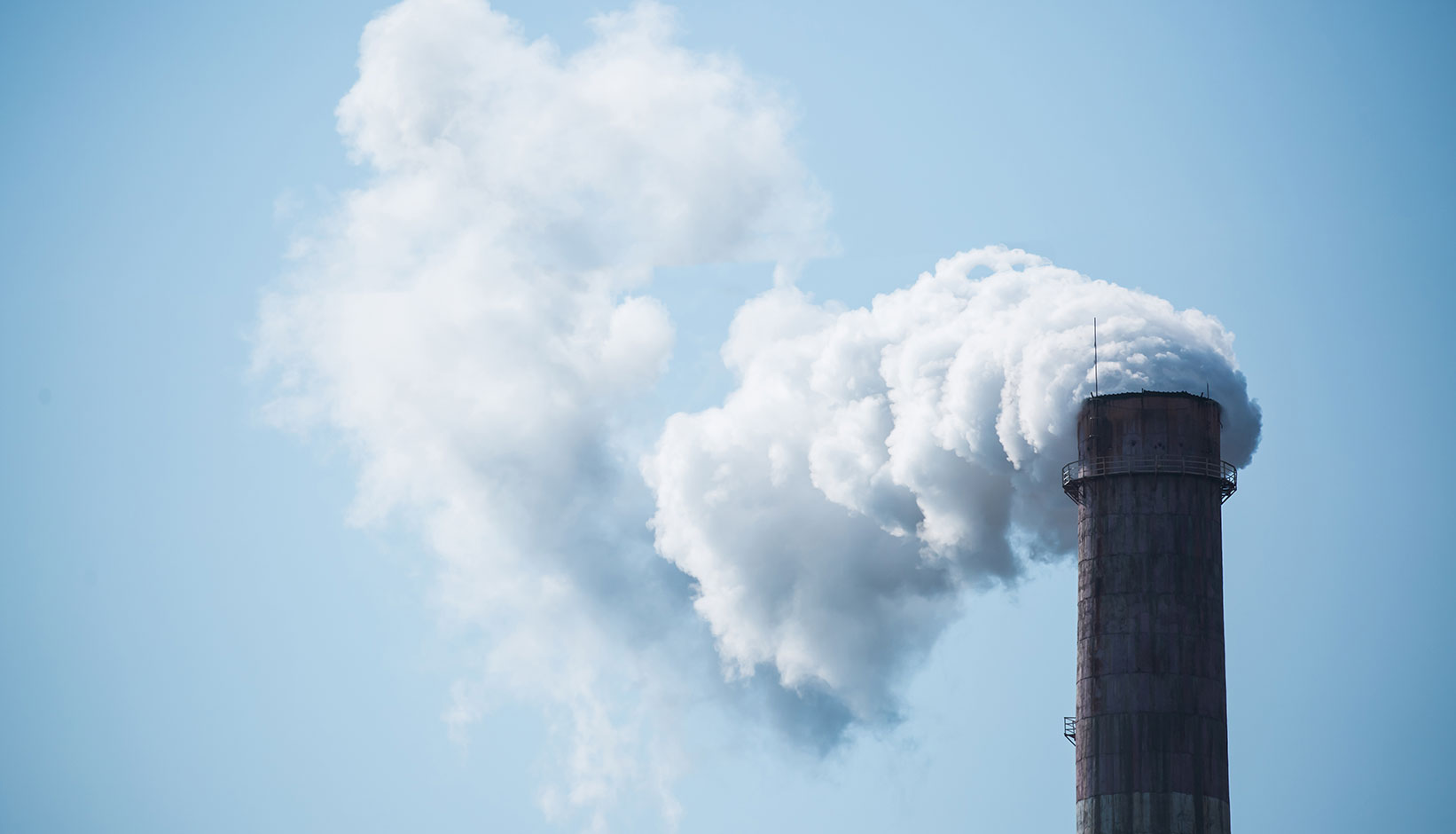
Odor problems can arise from mixtures of gases, including compounds such as ammonia, hydrogen sulfide, amines and sulfur-containing substances. Waste handling, wastewater systems, public restrooms and some industrial processes are common settings for odor-control projects. A suitable treatment plan starts with identifying the source and relevant compounds, then selecting collection, ventilation and treatment measures for the site. Assessment should follow applicable project and environmental requirements.
Talk to BIOSUN about air treatment for your application.

Intelligent air purification systems
©2026 BIOSUN. All rights reserved. Guangdong ICP No. 16053308
China service hotline: 400-084-0755
Fax: +86 755 89572096
Headquarters: 19F, Tower A, Zhongshe Plaza, 1028 Buji Road, Luohu District, Shenzhen, China

Contact on WeChat

Official WeChat
©2026 BIOSUN. All rights reserved. Guangdong ICP No. 16053308


